
More from Las Dos Boutique
Behind the weave: stories, care tips, and new drops
Explore the craft, learn how to style and care for your mochila, and get first access to the latest one-of-a-kind pieces—handwoven with intention and made to travel with you.
More to explore
A little boutique guide to the details that make every Las Dos piece feel personal—before, during, and after you shop.
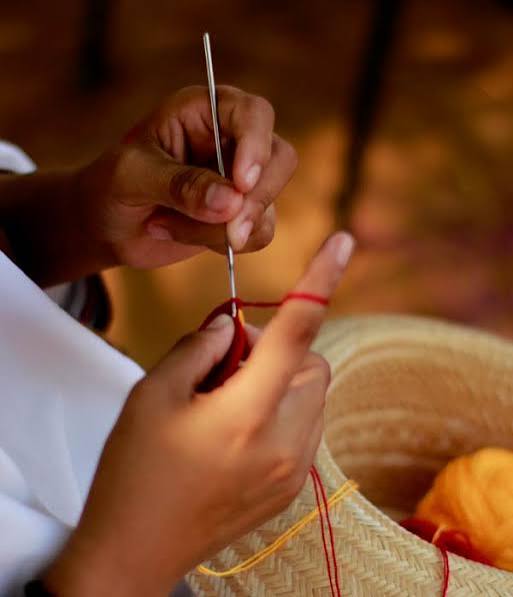
Meet the artisans
A closer look at the hands and heritage behind each weave.
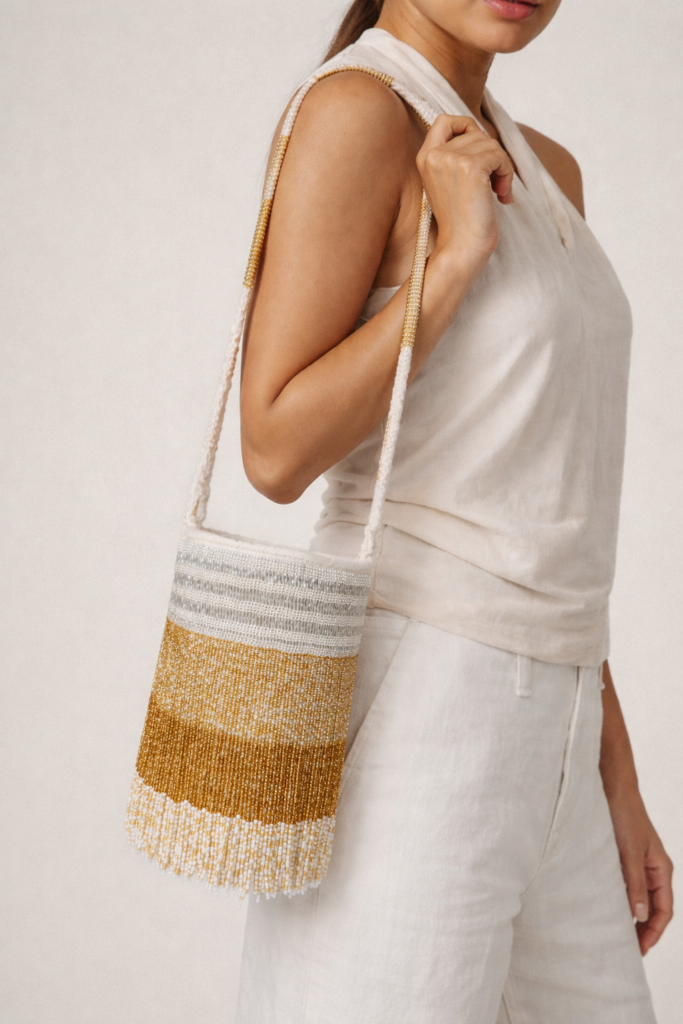
How to style a mochila
From everyday denim to dressy nights, wear it your way.
Care & longevity
Simple tips to keep your bag looking beautiful for years.
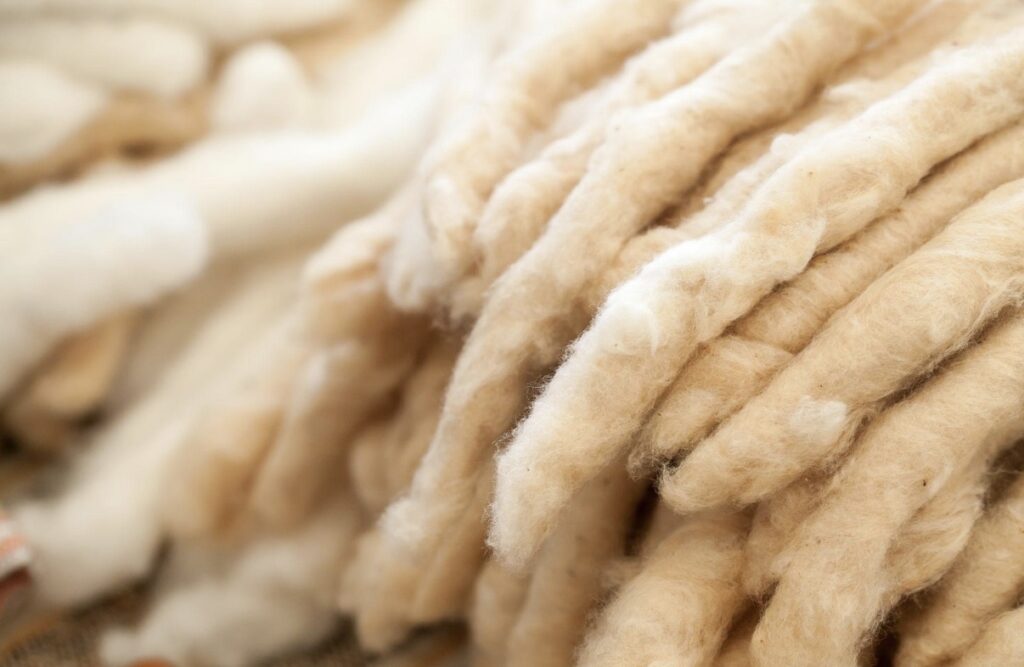
Materials & meaning
Color stories, symbols, and what makes each bag one-of-a-kind.
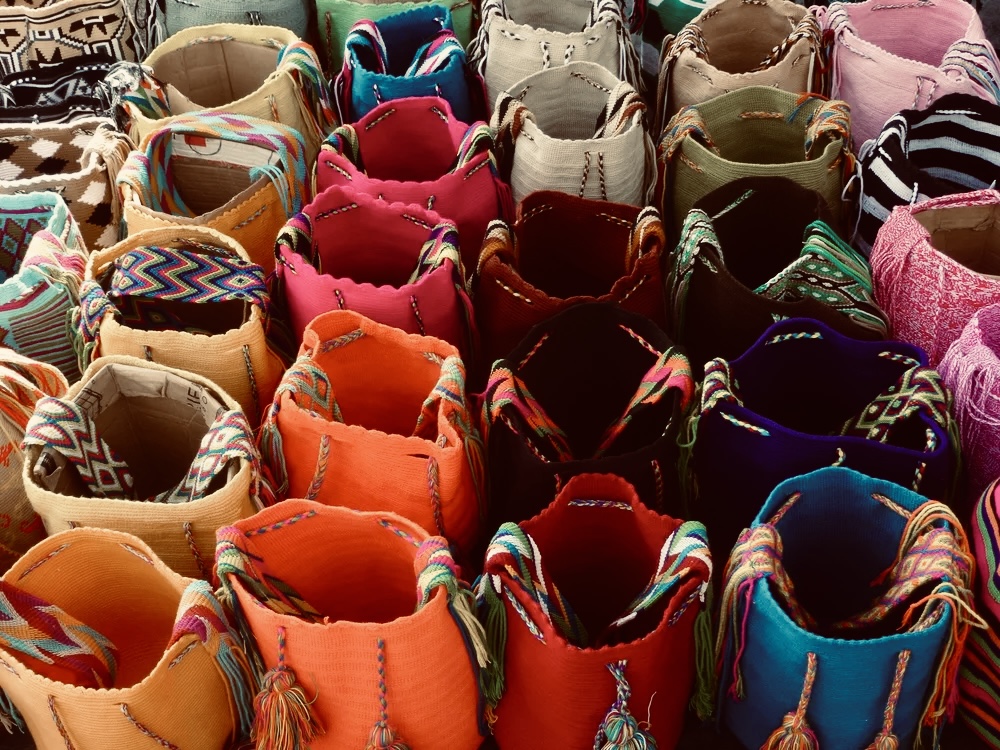
Gift guide
Thoughtful picks for birthdays, brides, and “just because.”
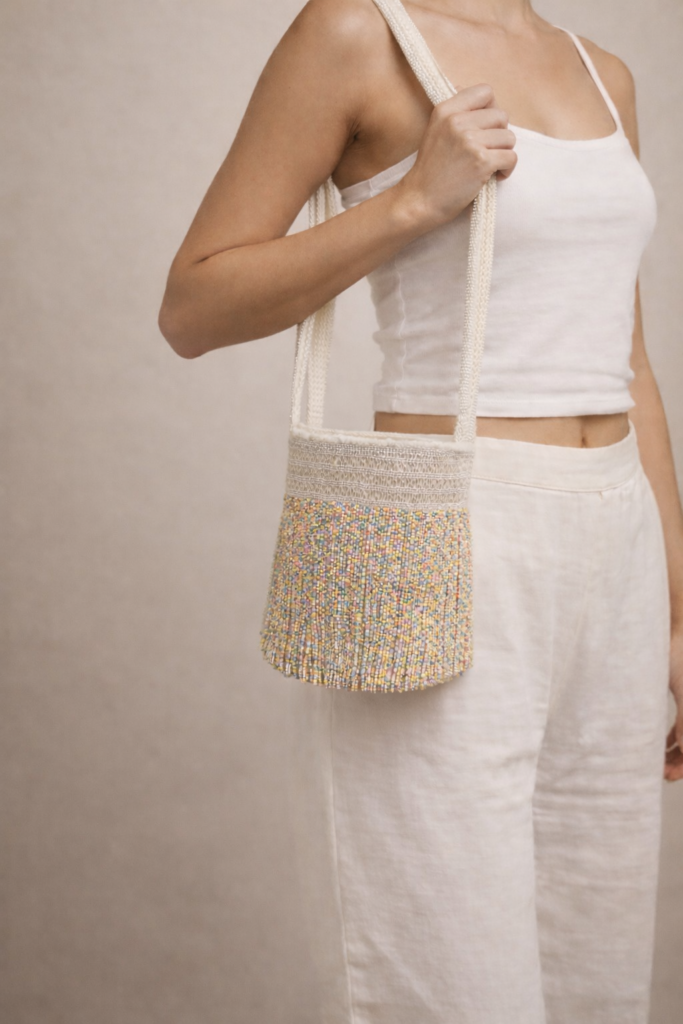
New drops
Fresh arrivals and limited pieces, when they’re gone, they’re gone.
Meet the artisans
The Wayuu people have lived in the Guajira Peninsula, a vast desert stretching across the northern tip of Colombia and Venezuela for thousands of years. They have survived conquest, displacement, and drought, and through all of it, they have never stopped weaving.
Wayuu society is matrilineal, meaning identity, belonging, and tradition all pass through the mother. It is the women who weave, and weaving is not simply a skill, it is a rite of passage. When a girl comes of age, she learns to weave. By the time she creates a bag worthy of being seen, she has spent years mastering a visual language that her mother learned from her mother, who learned from hers, stretching back further than memory.
In Wayuu cosmology, the universe itself was woven into existence by a sacred spider named Woumain, who taught the first Wayuu woman how to weave. Every bag made today carries that origin story in its threads.
The Wayuu speak Wayuunaiki, one of the most widely spoken indigenous languages in South America, an oral language carried not in books but in stories, songs, and the patterns woven into cloth. Each geometric motif has a name and a meaning. Animals, constellations, dreams, and seasons are translated into color and form. No two artisans interpret a pattern the same way. No two bags are ever identical.
A single mochila can take anywhere from two weeks to three months to complete, worked entirely by hand with no tools but her fingers and her memory. When it is finished, it is not a product. It is a document of a woman’s skill, her culture, her story, and her strength. When you carry a Las Dos Boutique bag, you carry all of that with you.
How to style a mochila
A Wayuu mochila is one of those rare pieces that makes everything look more interesting. Wear it crossbody with a white linen dress and sandals for a summer afternoon. Sling it over a blazer for something unexpected at work. Let it be the one colorful thing in an all-neutral outfit, or pile it onto a printed look for pure joy. There are no rules. The bag does the talking, you just show up.
Care & longevity
Your mochila is made to last, but like all handmade things, it loves a little care. Keep it away from prolonged moisture and direct sun, which can fade the fibers over time. If it gets dirty, spot clean gently with a damp cloth and mild soap, never submerge it or machine wash. Store it stuffed with tissue paper to help it hold its shape. Treat it well and it will only get more beautiful with age, the way all truly handmade things do.
Materials & meaning
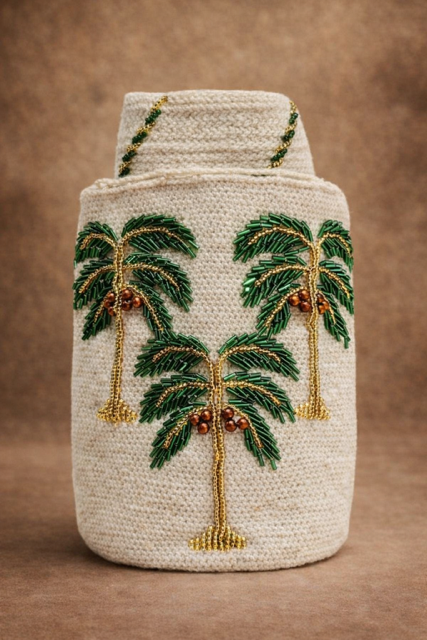
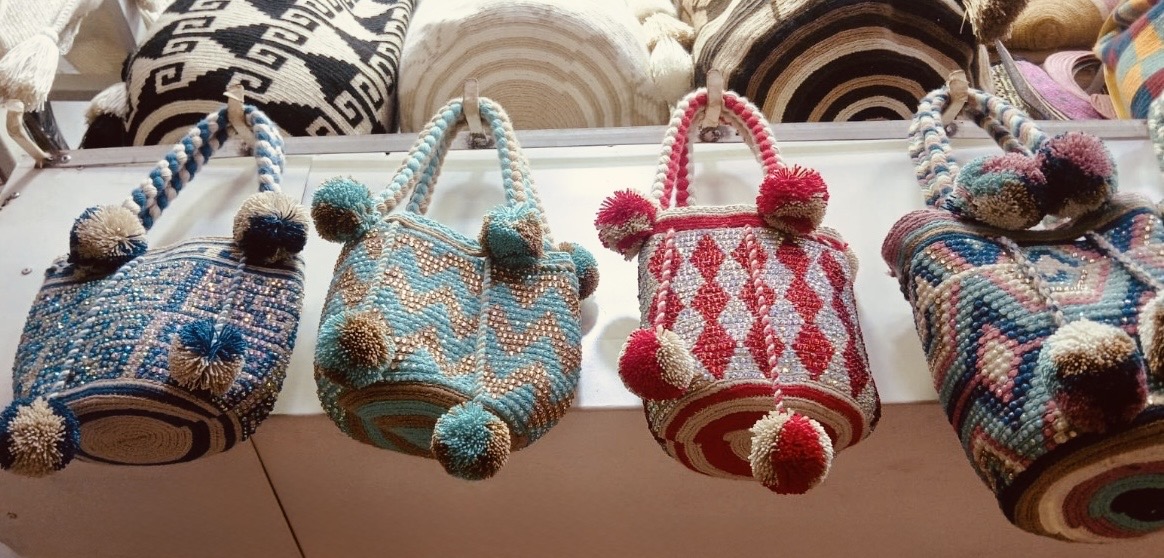
Wayuu mochilas are woven from high-quality cotton thread using a technique called crochet wayuu, worked entirely by hand, stitch by stitch, with no machinery involved. But what makes each bag truly singular is its pattern. Every geometric motif has a name and a meaning in Wayuu culture, animals, constellations, dreams, and seasons translated into color and form. No two artisans interpret a pattern the same way. No two bags are ever identical. What you are carrying is not a product. It is a visual language, and you are now part of the story it tells.
Gift guide
Some gifts say I saw this and thought of you. A Wayuu bag says something more, I found something made with love, and I wanted you to have it. For the friend who has everything, the bride who deserves something beautiful, the mother who never buys herself anything nice, or the sister you want to remind that she is seen, there is a bag here for her. Every piece arrives as a one-of-a-kind. There will never be another exactly like it. That is the whole point.
New drops
We select every bag by hand, which means new drops are limited and can sell quickly. If you see one you love, claim it—because there won’t be another exactly like it.
Color, texture, and everyday art
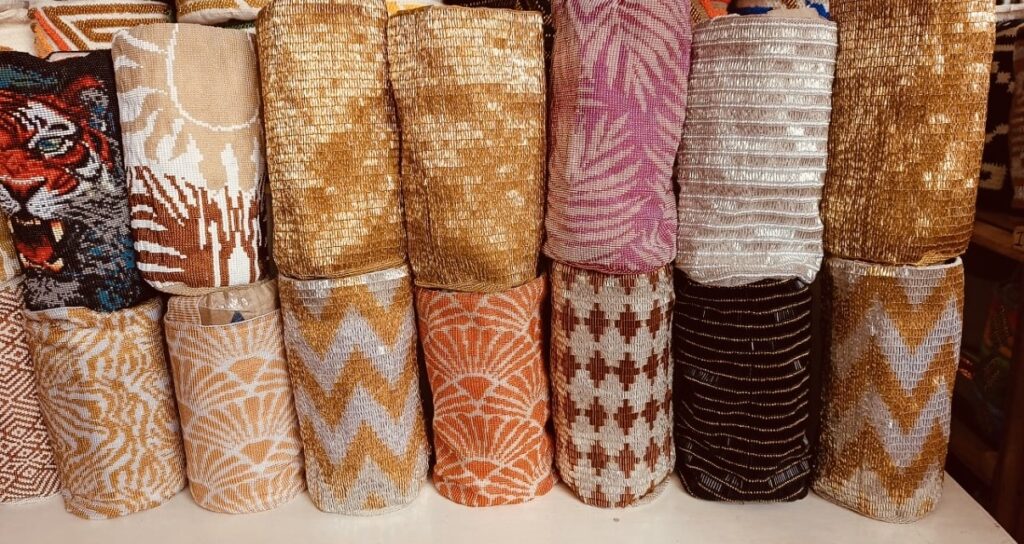
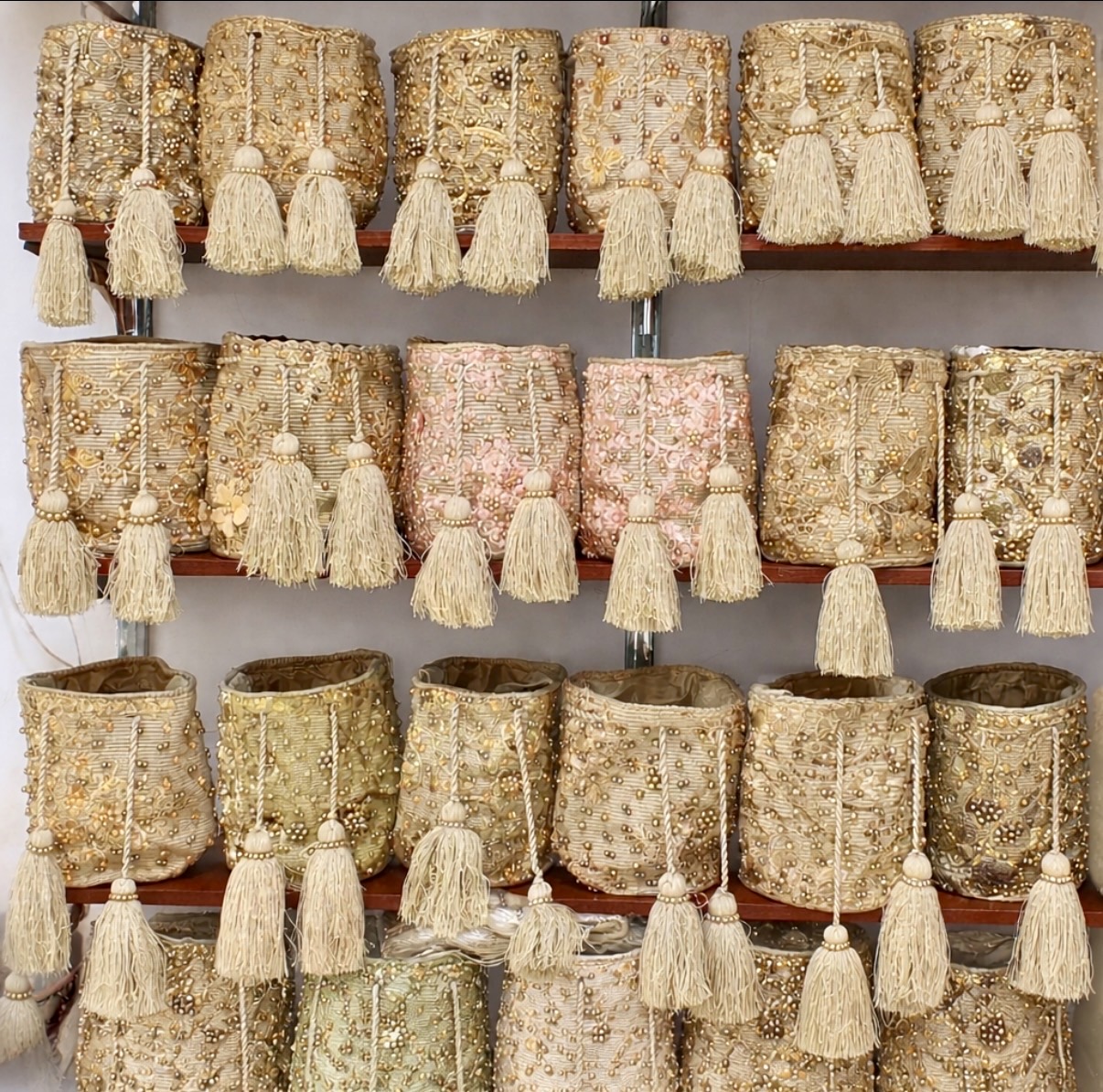
A quick moodboard of the details we love—woven textures, tassels, and the boutique moments that inspire each collection.
Ready for your next statement piece?
Find your one-of-a-kind mochila
Browse current availability, see new drops, and claim your favorite before it’s gone.